
Bringing indoor plants into your home is one of the easiest ways to add beauty and a sense of calm—but for beginners, plant care can feel confusing and frustrating. Many new plant owners lose plants not because they lack skill, but because they were never taught the basics.
This beginner-friendly guide to indoor plant care breaks everything down in a simple, practical way. You’ll learn how to pick the right houseplants, understand light and water needs, care for soil and pots, and build an easy routine that keeps plants healthy long-term.
Indoor Plant Care Basics You Should Know First
Before worrying about plant food or fancy tools, it’s important to understand what all indoor plants have in common. While each plant is different, their basic needs are the same.
Core Needs of Houseplants
Every indoor plant depends on:
- Light to fuel growth
- Water to support roots and leaves
- Fresh air to prevent disease
- Well-draining soil to protect roots
When one of these needs is ignored or overdone, plants begin to show stress. Learning balance is the key to success for beginners.
Picking the Best Indoor Plants for Beginners
Starting with the right plants makes indoor gardening much easier. Some plants require constant attention, while others are far more forgiving.
Easy-Care Plants to Start With
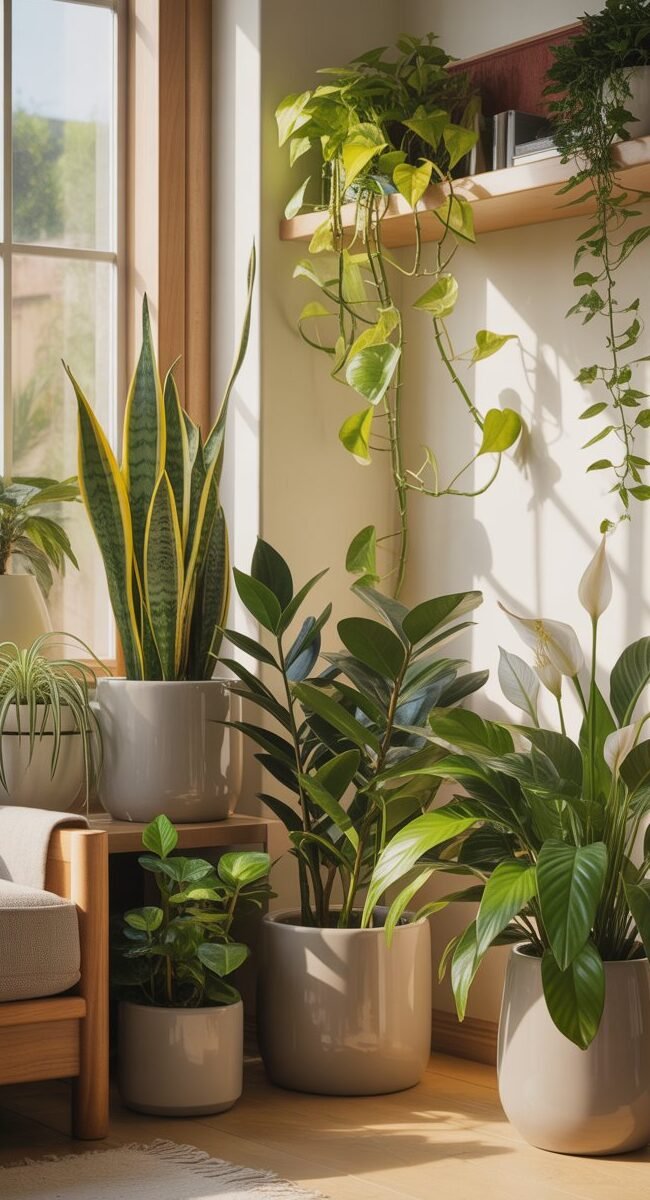
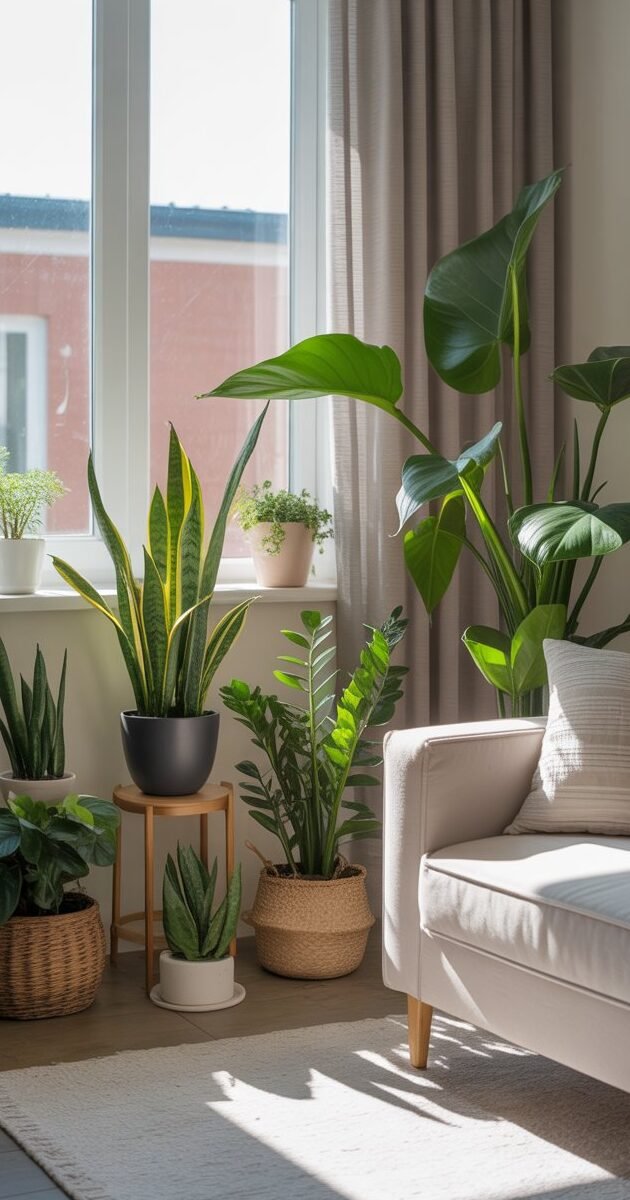
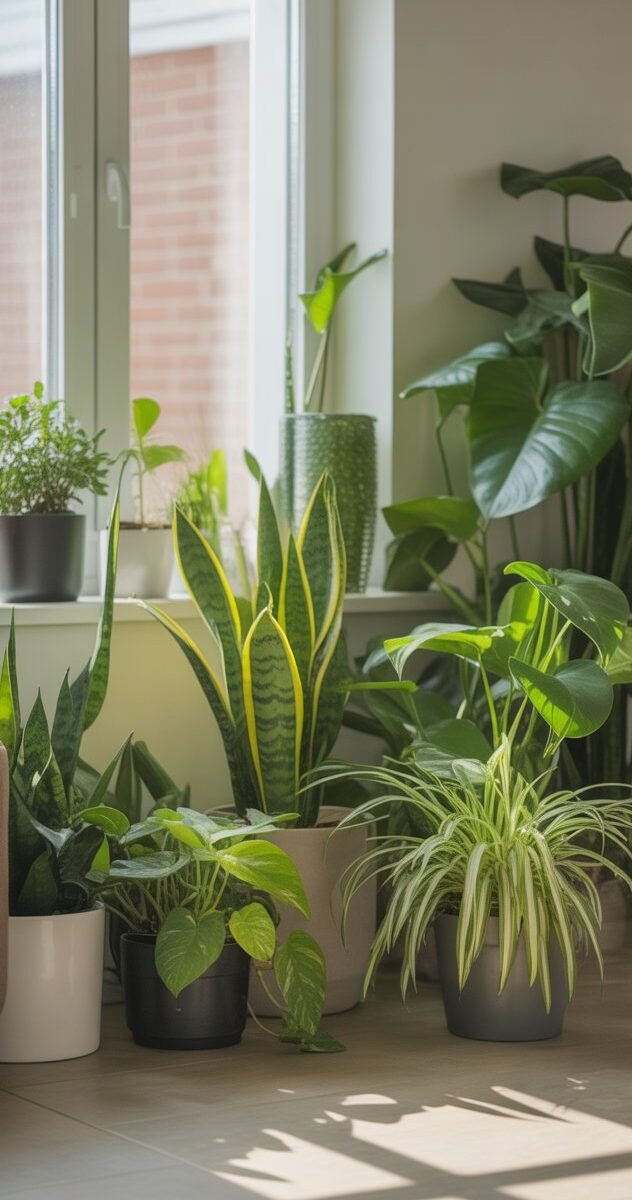
If you’re new to indoor plant care, these beginner-friendly options are a smart choice:
- Snake plant
- Pothos
- ZZ plant
- Spider plant
- Peace lily
These plants adapt well to indoor environments and don’t suffer as much from occasional care mistakes.
How the Right Plant Builds Confidence
Low-maintenance plants help beginners learn how plants respond to water, light, and placement. As your confidence grows, you can experiment with more delicate varieties.
Indoor Light Explained for Houseplants
Light is one of the most misunderstood parts of indoor plant care. Too much or too little light can quickly lead to problems.
Types of Light Inside the Home
Most indoor light conditions fall into three groups:
- Low light: Limited natural light or shaded rooms
- Moderate light: Bright rooms with filtered sunlight
- Bright indirect light: Strong light without direct sun rays
Direct sunlight can damage many indoor plants, even in bright rooms.
Tips for Better Light Placement
- Keep plants near windows whenever possible
- Turn pots regularly to prevent uneven growth
- Watch for slow growth or pale leaves as signs of low light
How to Water Indoor Plants Correctly
Overwatering is the most common mistake beginners make. Watering too often can suffocate roots and cause rot.
Knowing When Your Plant Needs Water
Instead of watering on a fixed schedule:
- Check soil moisture with your finger
- Water only when the top soil feels dry
- Adjust watering based on season and light
Plants need less water during cooler months and more during active growth.
Smart Watering Habits
- Water thoroughly until excess drains out
- Empty saucers after watering
- Avoid letting roots sit in water
Healthy roots depend on proper drainage.
Soil and Containers: A Strong Foundation
The right soil and pot can make a huge difference in indoor plant health.
Choosing the Right Pot
- Always use containers with drainage holes
- Avoid pots that are too large
- Choose manageable materials for indoor use
Best Soil for Indoor Plants
Use indoor potting mix designed for houseplants. It drains better than outdoor soil and helps prevent root problems.
Temperature and Humidity Indoors
Most indoor plants thrive in the same temperatures people enjoy.
Ideal Indoor Conditions
- Keep temperatures between 65–75°F
- Protect plants from drafts and heaters
- Avoid sudden temperature changes
Increasing Humidity Naturally
Indoor air can be dry, especially in winter. To improve humidity:
- Group plants together
- Use a room humidifier
- Place humidity-loving plants in bathrooms or kitchens
Fertilizing Houseplants the Safe Way
More fertilizer doesn’t mean faster growth. Overfeeding can damage roots and leaves.
Beginner Fertilizing Tips
- Feed plants during spring and summer
- Use diluted liquid fertilizer
- Skip fertilizing during winter
Slow, steady growth is a sign of healthy plants.
Common Indoor Plant Issues and Solutions
Even healthy plants can develop problems. Learning the signs helps you fix issues early.
Yellowing Leaves
Common reasons include:
- Too much water
- Poor drainage
- Sudden changes in light
Brown or Crispy Leaf Edges
Usually caused by:
- Dry air
- Irregular watering
- Mineral buildup in soil
Indoor Plant Pests
Small pests like fungus gnats or spider mites can appear. Keeping plants clean and healthy reduces the risk of infestations.
Creating an Easy Indoor Plant Care Routine
Plants don’t need daily attention—just consistent care.
Simple Weekly Plant Checklist
- Check soil moisture
- Look for leaf changes
- Rotate plants for even light
- Wipe dust from leaves
This routine helps you spot problems early and understand your plants better.
Final Thoughts: Growing Healthy Plants with Confidence
Indoor plant care for beginners is about observation, patience, and learning from experience. By choosing the right plants, understanding their environment, and avoiding common mistakes, you can enjoy thriving houseplants year-round.
Start small, stay consistent, and let your plants guide you. With time, indoor gardening becomes a rewarding and stress-free part of your home.