
Why the Right Soil Matters More Than You Think
If you’re new to indoor plants, it’s easy to assume that “soil is soil.” Many beginners grab the nearest bag of dirt, pot their plant, and hope for the best. Then the leaves start turning yellow, growth slows down, or the plant suddenly wilts—even though you’re watering it “correctly.”
The problem often isn’t the plant. It’s the soil.
The type of soil you use plays a major role in indoor plant health, even though it’s commonly misunderstood.. The right soil supports healthy roots, prevents overwatering, improves airflow, and helps plants absorb nutrients properly. In this guide, I’ll break everything down in plain English so you can confidently pick the right soil for any indoor plant you own.
What Makes Indoor Plant Soil Different?
Indoor plants live in containers, not in the ground. That changes everything.
Garden soil is:
-
Too dense for pots
-
Poor at draining excess water
-
Likely to compact and suffocate roots
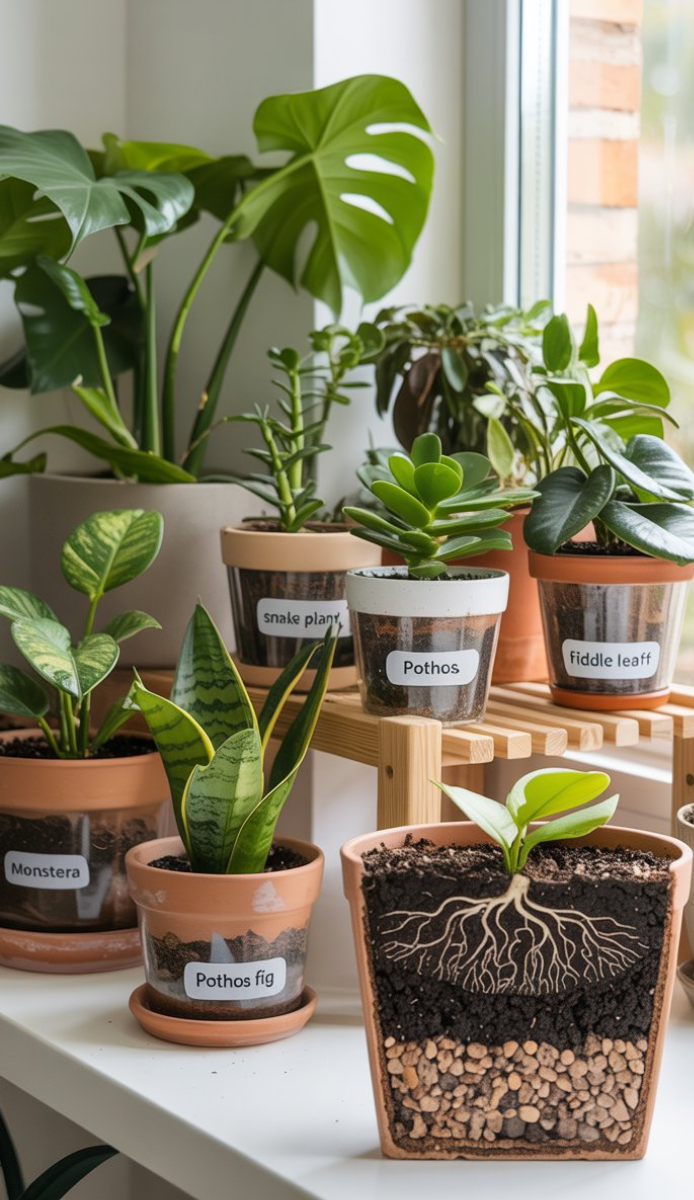
Indoor plant soil (often called potting mix) is specially designed to work in containers. It balances moisture retention, drainage, and airflow—three things roots desperately need indoors.
Key Components of the Best Soil for Indoor Plants
Understanding what’s inside potting soil helps you choose the right one instead of guessing.
Peat Moss or Coco Coir: Moisture Control
These ingredients act like sponges:
-
Hold water without becoming soggy
-
Keep soil evenly moist
-
Help prevent rapid drying
Coco coir is more eco-friendly, while peat moss is more common in store-bought mixes.
Perlite: Drainage and Airflow
Perlite looks like small white stones. Its job is simple:
-
Prevent compacted soil
-
Improve oxygen flow to roots
-
Reduce the risk of root rot
If your soil has no perlite, it’s usually too heavy for indoor plants.
Vermiculite: Gentle Water Retention
Vermiculite holds moisture longer than perlite:
-
Ideal for plants that like slightly moist soil
-
Helps distribute water evenly
It’s common in mixes for tropical houseplants.
Bark or Compost: Structure and Nutrients
These materials:
-
Improve soil texture
-
Add slow-release nutrients
-
Mimic natural forest floor conditions
They’re especially useful for larger or fast-growing plants.
You may also like this
Indoor Plant Care for Beginners: A Complete Guide
How Often Should You Water Indoor Plants?
Low-Maintenance Houseplants for Beginners
All-Purpose Potting Mix: Is It Enough?
For many beginners, a high-quality all-purpose potting mix works just fine.
When All-Purpose Soil Works Well
-
Pothos
-
Philodendrons
-
Spider plants
-
Peace lilies
-
Chinese evergreen
These plants tolerate a balanced mix that drains well but still holds some moisture.
When It Falls Short
All-purpose soil isn’t ideal for:
-
Succulents and cacti
-
Orchids
-
Plants prone to root rot
In these cases, specialized soil makes a noticeable difference.
Best Soil Types for Common Indoor Plants
Succulents and Cacti
Their thick leaves and stems retain water, which means consistently wet soil can cause the roots to rot.
Best soil choice:
-
Fast-draining cactus or succulent mix
-
Sandy texture with extra perlite or pumice
Avoid: Dense or moisture-retaining soil
Tropical Leafy Plants
Plants like monstera, pothos, and philodendrons prefer consistent moisture but hate soggy roots.
Best soil choice:
-
Loose, well-draining potting mix
-
Added perlite or bark
Tip: Soil should stay lightly moist, never muddy.
Snake Plants and ZZ Plants
These low-maintenance plants thrive on neglect.
Best soil choice:
-
Well-draining soil with extra perlite
-
A cactus mix blended with potting soil works well
Common mistake: Using moisture-heavy soil that stays wet too long.
Orchids
Orchids don’t grow in soil at all in nature.
Best soil choice:
-
Orchid bark mix
-
Chunky, airy material that dries quickly
Never use: Regular potting soil
Ferns and Calatheas
These plants love humidity and slightly moist soil.
Best soil choice:
-
Moisture-retentive mix with peat or coco coir
-
Added vermiculite
Important: Drainage holes are still essential.
How to Know If Your Soil Is Wrong
Your plant often tells you when the soil isn’t working.
Signs Soil Is Too Dense
-
Water sits on top instead of soaking in
-
Roots smell bad or appear brown and mushy
-
Leaves yellow despite proper watering
Signs Soil Dries Too Fast
-
Soil pulls away from the pot edges
-
Plant wilts shortly after watering
-
Leaves feel thin or crispy
If you notice these issues, switching soil can fix the problem faster than adjusting watering alone.
Should You Make Your Own Indoor Plant Soil?
You don’t have to—but it can help.
Simple DIY Indoor Plant Soil Mix
For most houseplants:
-
2 parts all-purpose potting mix
-
1 part perlite
-
1 part orchid bark or coco coir
This creates a balanced, breathable soil suitable for many indoor plants.
When DIY Is Worth It
-
You own many plants
-
You want better drainage control
-
Store-bought soil feels too heavy
For beginners with just a few plants, high-quality pre-mixed soil is perfectly fine.
Common Soil Mistakes Beginners Make
Avoid these and you’ll skip many beginner problems:
-
Using garden soil indoors
-
Reusing old, compacted soil
-
Choosing soil without drainage support
-
Ignoring plant-specific needs
-
Packing soil down too tightly in pots
Soil should always feel light and fluffy, not hard or muddy.
How Often Should You Change Indoor Plant Soil?
Soil doesn’t last forever.
General Guidelines
-
Repot and refresh soil every 1–2 years
-
Replace soil if it smells sour or drains poorly
-
Refresh sooner if pests or mold appear
Even if the plant stays in the same pot, fresh soil improves growth.
Final Thoughts: Soil Is the Foundation of Healthy Indoor Plants
The best soil for indoor plants isn’t about buying the most expensive bag—it’s about choosing the right structure, drainage, and moisture balance for your plant’s needs. Once you get the soil right, watering becomes easier, growth improves, and most beginner plant problems simply disappear.
If you remember one thing, remember this: healthy roots start with the right soil. Everything else builds from there.