
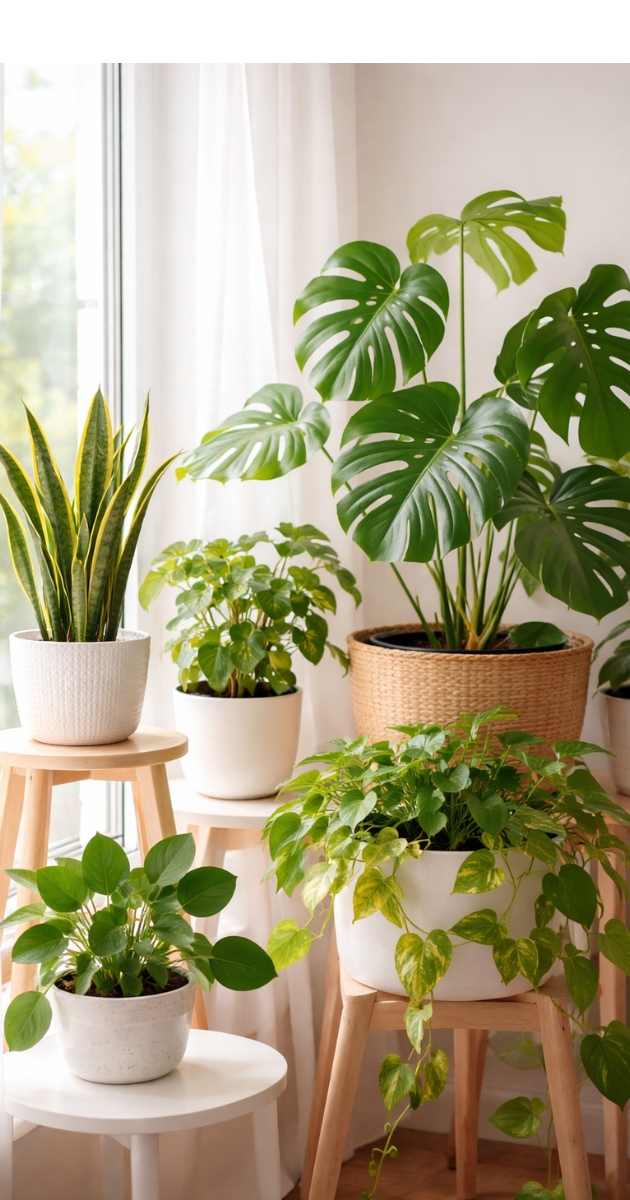
Houseplant care is meant to be rewarding, not a test of patience. If you’ve ever wondered why your houseplants seem stuck in the same size for months, you’re not alone. Many beginners assume plants grow slowly indoors no matter what. The good news? With the right natural care techniques, you can noticeably speed up indoor plant growth without chemicals, expensive tools, or complicated routines.
This beginner-friendly guide will walk you through how to make indoor plants grow faster naturally, using simple, proven methods that work well in U.S. homes and apartments.
Understand What “Fast Growth” Really Means Indoors
Setting realistic expectations is important, as indoor plants naturally grow slower than outdoor plants.
Healthy, faster indoor growth looks like:
-
New leaves appearing regularly
-
Strong stems and vibrant color
-
Steady size increase during spring and summer
These signs mean your plant is growing well.
Give Plants the Right Light (Not Just More Light)
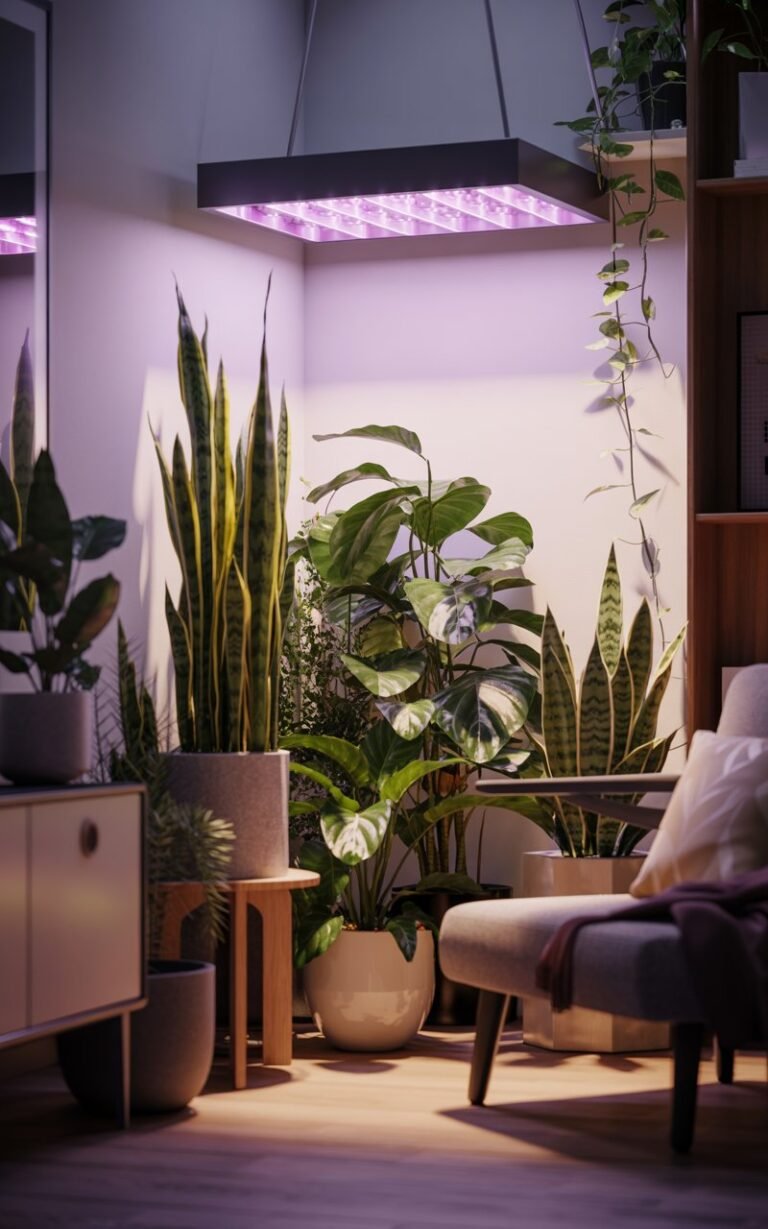
Proper lighting plays the biggest role in how plants grow indoors. Without enough of it, growth slows dramatically.
Match Light Type to Plant Needs
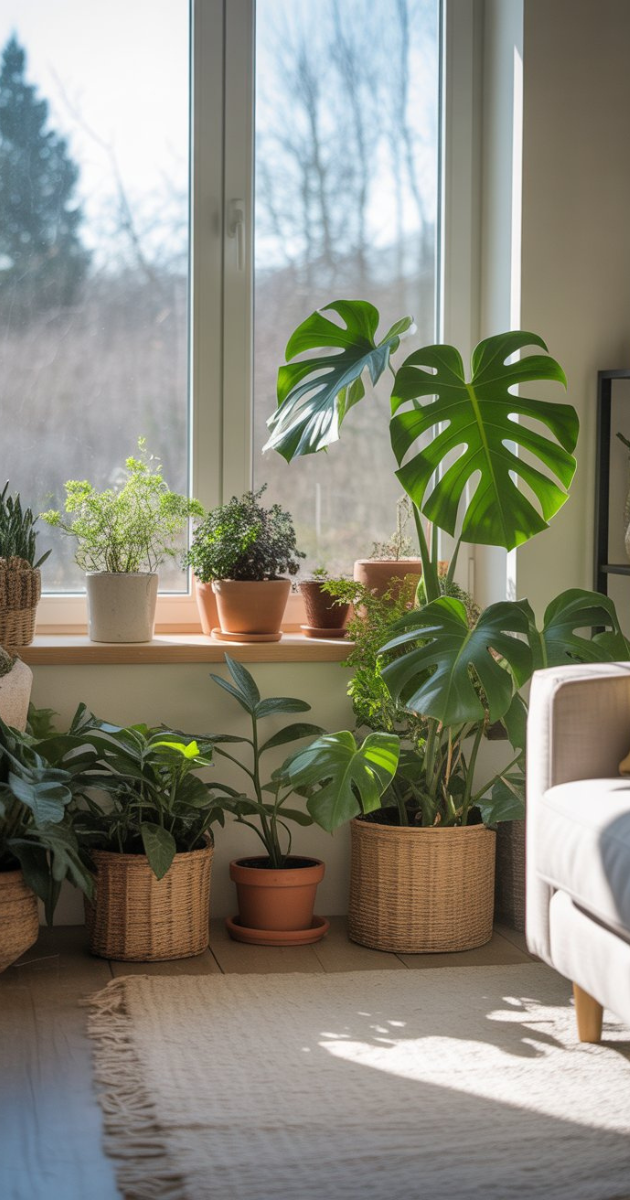
Most houseplants grow fastest in bright, indirect light. Direct sun can burn leaves, while low light limits photosynthesis.
Tips for better natural light:
-
Place plants near east- or south-facing windows
-
Use sheer curtains to soften harsh sunlight
-
Rotate plants every 1–2 weeks for even growth
Low-light plants will survive in shade, but they won’t grow quickly there.
Water Properly to Encourage Faster Growth
Watering mistakes are one of the biggest reasons indoor plants stop growing.
Why Correct Watering Boosts Growth
Roots need both water and oxygen. Overwatering suffocates roots, while underwatering slows nutrient absorption.
Natural watering rules:
-
Allow the soil to dry a bit between waterings to protect the roots.
-
Never let water sit in plant saucers
-
Use room-temperature water
Healthy roots = faster leaf and stem growth.
Use the Right Soil for Active Growth
Soil is more than dirt—it’s the plant’s entire support system.
Best Soil Conditions for Faster Growth
-
Loose and well-draining
-
Retains moisture without becoming waterlogged
-
Provides ample room for root growth
Most indoor plants grow faster in lightweight potting mix, not garden soil. Compact soil restricts roots and slows growth.
Feed Plants Naturally (Without Overdoing It)
Plants need nutrients to grow—but too much fertilizer does more harm than good.
Natural Ways to Boost Nutrients
-
Use organic liquid fertilizer at half strength
-
Fertilize only during spring and summer
-
Use every four to six weeks
Never fertilize dry soil. Water lightly first to protect roots.
Overfeeding causes leaf burn and stalled growth.
Choose the Right Pot Size (Bigger Isn’t Always Better)
A pot that’s too large can slow growth just as much as one that’s too small.
Why Pot Size Matters
-
Small pots restrict root expansion
-
Oversized pots hold excess moisture, causing root stress
Best practice:
Repot only when roots are circling the pot or growing from drainage holes. Move up just one pot size.
Maintain Warm, Stable Temperatures
Most indoor plants grow fastest in conditions similar to a mild spring day.
Ideal Indoor Temperature Range
-
65–80°F (18–27°C)
-
Avoid cold drafts and heat vents
-
Keep plants away from exterior doors in winter
Sudden temperature changes can pause growth for weeks.
Increase Humidity the Natural Way
Most common houseplants originate from tropical regions. Low indoor humidity slows leaf production.
Easy Ways to Raise Humidity
-
Group plants together
-
Set a water-filled tray close to your plants.
-
Lightly mist humidity-loving plants
Plants like pothos, philodendron, and peace lily respond quickly to higher humidity with faster growth.
Prune Strategically to Stimulate New Growth
Pruning doesn’t just tidy plants—it encourages them to grow faster and fuller.
How Pruning Helps Growth
-
Removes damaged or weak leaves
-
Redirects energy to healthy growth points
-
Encourages branching in vining plants
Clean scissors help prevent disease—cut just above a node for best results.
Keep Leaves Clean for Better Photosynthesis
Dusty leaves can block light, slowing growth even if lighting is perfect.
Simple Leaf Care
- Gently clean the leaves with a damp cloth about once a month.
-
Stay away from leaf polish products.
-
Rinse small plants in the sink occasionally
Clean leaves take in more light and support healthier growth.
Support Roots with Good Drainage
Fast growth depends on healthy roots—and drainage is essential.
Drainage Basics
-
Always use pots with drainage holes
-
Avoid decorative pots without inner nursery pots
-
Never let plants sit in standing water
Poor drainage leads to root rot, which completely stops growth.
Be Patient and Follow the Plant’s Natural Growth Cycle
Even with perfect care, indoor plants grow fastest during:
-
Spring
-
Early summer
Growth naturally slows in fall and winter. This doesn’t mean you’re doing anything wrong.
Consistency beats perfection when it comes to natural plant growth.
You may also like this
How to Propagate Indoor Plants at Home (Beginner-Friendly Guide)
Easy Indoor Plants Anyone Can GrowHow to Propagate Indoor Plants at Home (Beginner-Friendly Guide)
Beginner Mistakes to Avoid in Indoor Gardening
Common Mistakes That Slow Indoor Plant Growth
Avoid these beginner traps:
-
Watering at set intervals.
-
Over-fertilizing your plants.
-
Keeping plants in low light long-term
-
Repotting too often
-
Ignoring drainage
Fixing just one of these can dramatically improve growth speed.
Final Thoughts: Faster Growth Comes from Better Basics
Learning how to make indoor plants grow faster naturally isn’t about tricks—it’s about meeting basic needs consistently. When plants get the right light, water, soil, and environment, they respond with healthy, steady growth.
Start small, observe your plants, and adjust gently. With time, you’ll notice new leaves, stronger stems, and a home full of thriving greenery.